
Engineering
How I build the systems behind my projects
Architecture, request flows and the code behind them: what the design is, why it is shaped that way and what I would change.
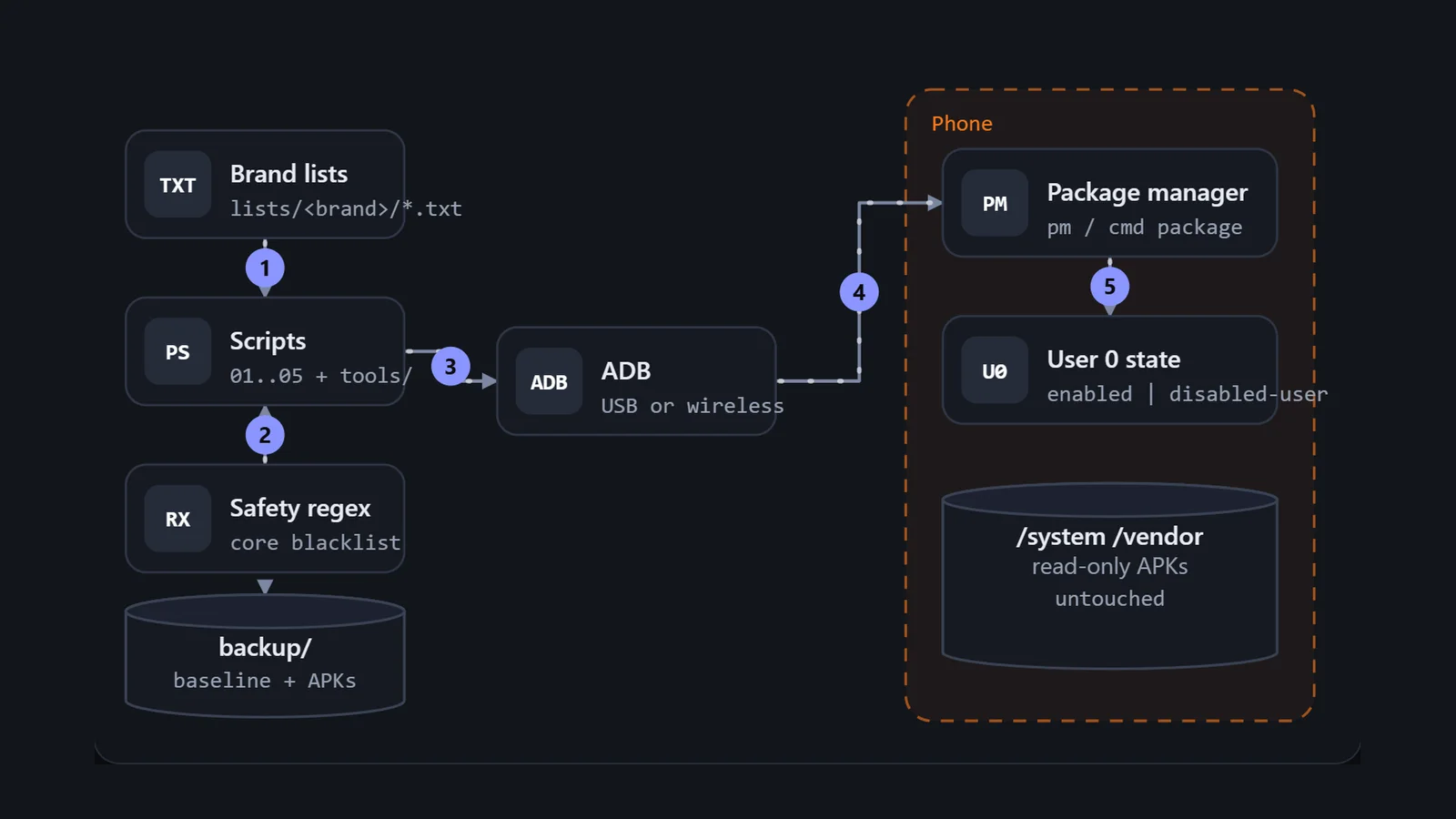
Zero-root Android debloating: disable, don't uninstall, and always keep a way back
How unfuck-android debloats ColorOS, Funtouch, HyperOS and One UI phones over ADB without root: why pm disable-user beats uninstall, brand detection, a dry run and baseline-driven rollback, and per-category package lists vetted against two upstream databases.
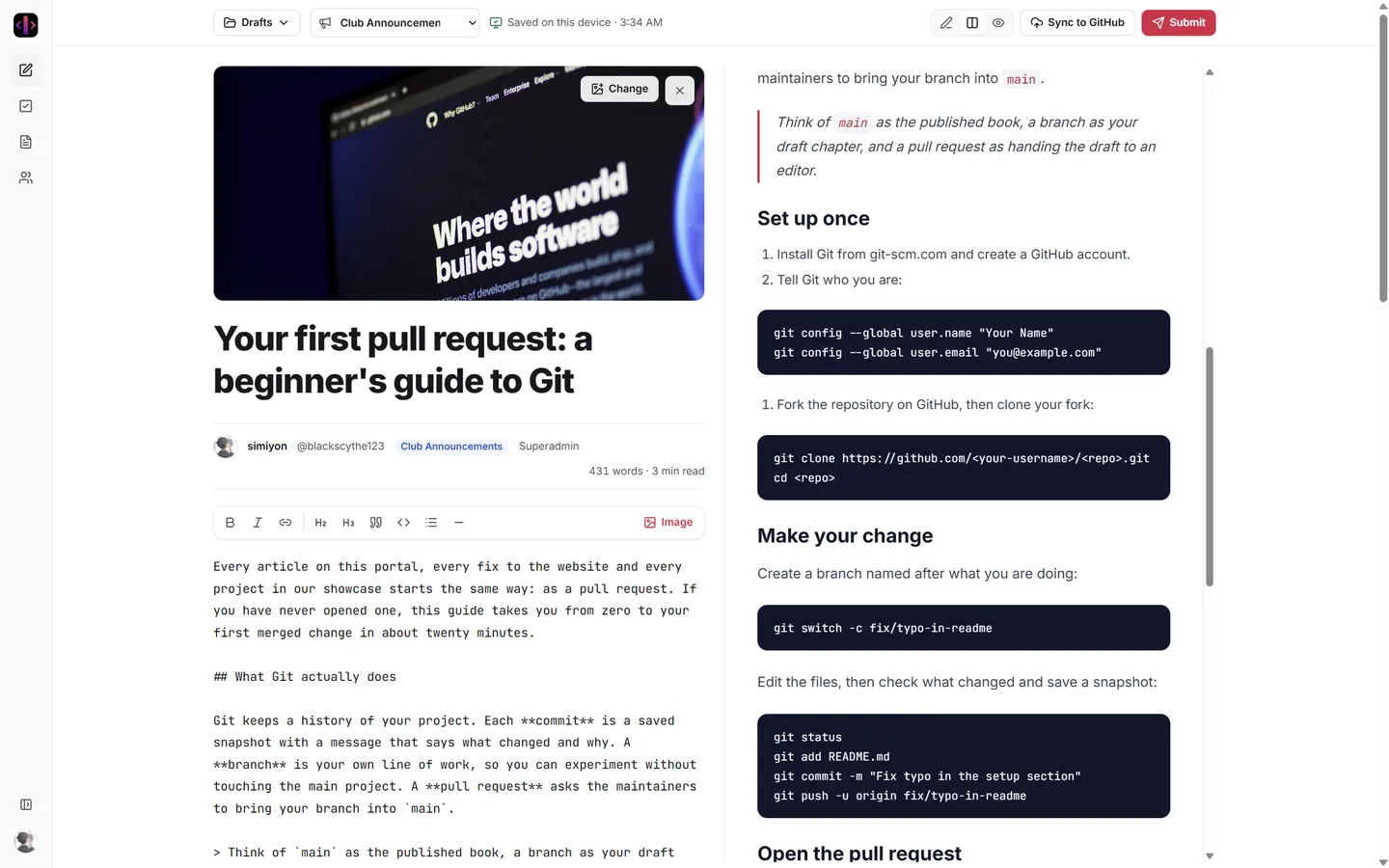
A zero-database CMS for SSN Coding Club, and the GitHub Actions that run it
A deep dive into the SSN Coding Club CMS: Git as the database, the draft-branch and pull-request publish flow, role and approval rules enforced server-side, and one GitHub Actions workflow that validates content and deploys only the apps that changed.
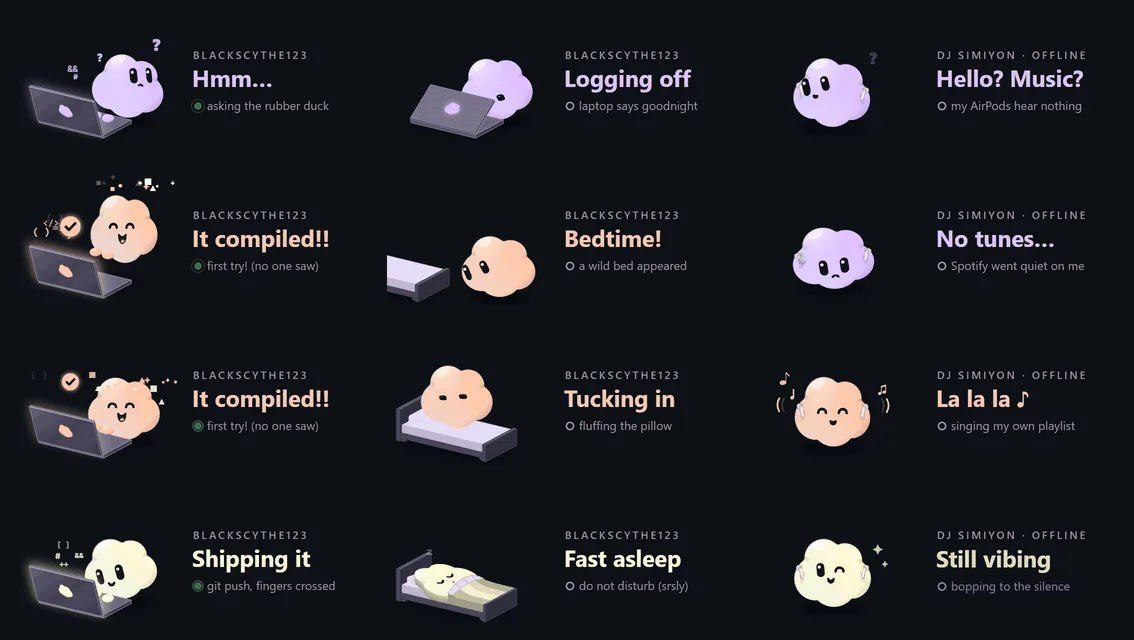
A coding mascot for GitHub READMEs, and the Bloub engine under it
How a VS Code extension, a Vercel function and Redis turn editor activity into a sleeping or coding cloud inside GitHub's image proxy, and how the Bloub engine by Jérémy Perret was extended with faces, animations and generators to bake the cards.
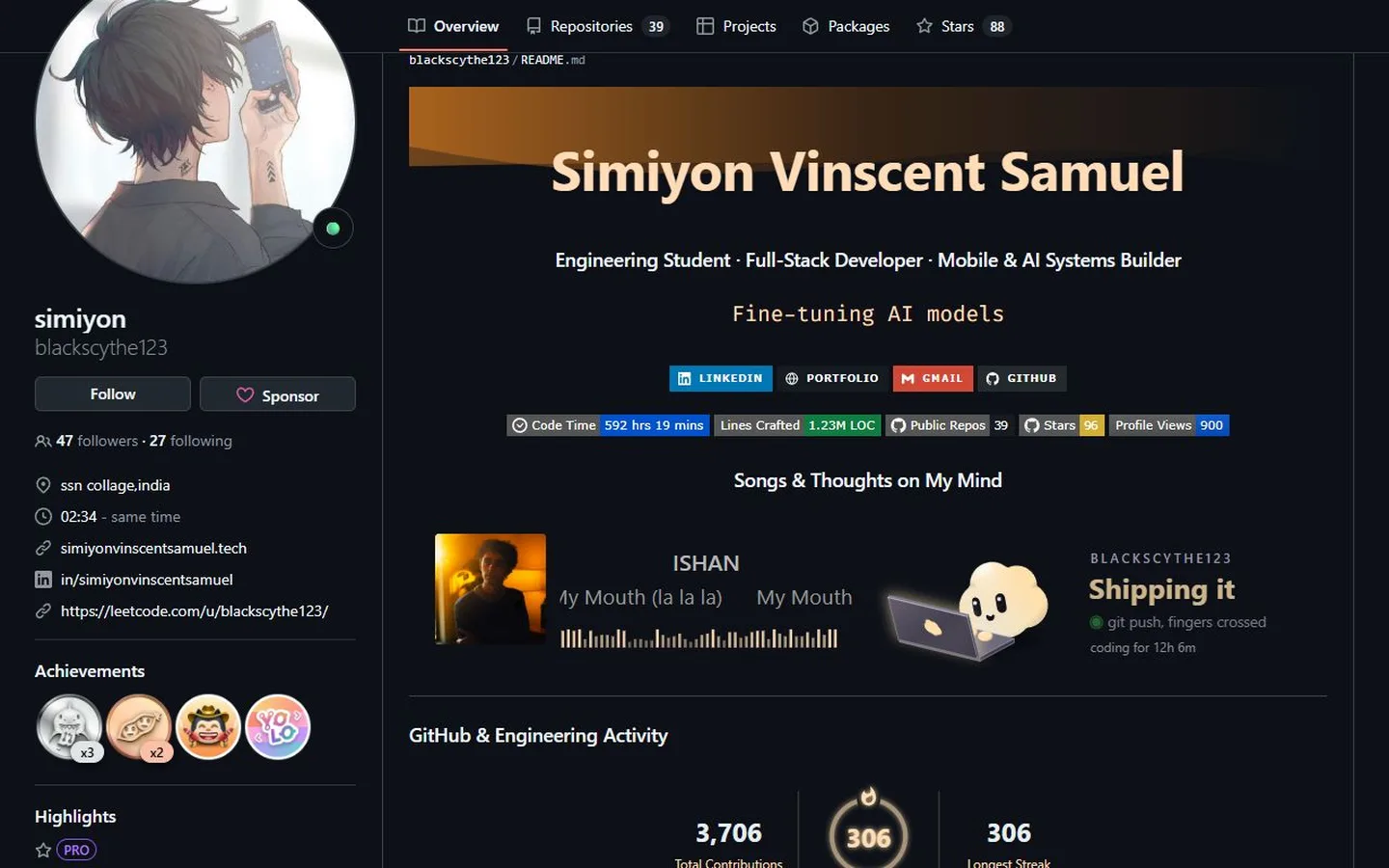
The five Vercel services behind my GitHub profile
Five small Vercel services render the animated cards on my GitHub profile. A 30-palette colour clock keeps them in lockstep across separate servers, a stale-while-revalidate cache keeps them inside GitHub's four-second image-proxy window, Redis holds the state of a live coding mascot, and GitHub Actions bake the contribution Pac-Man.
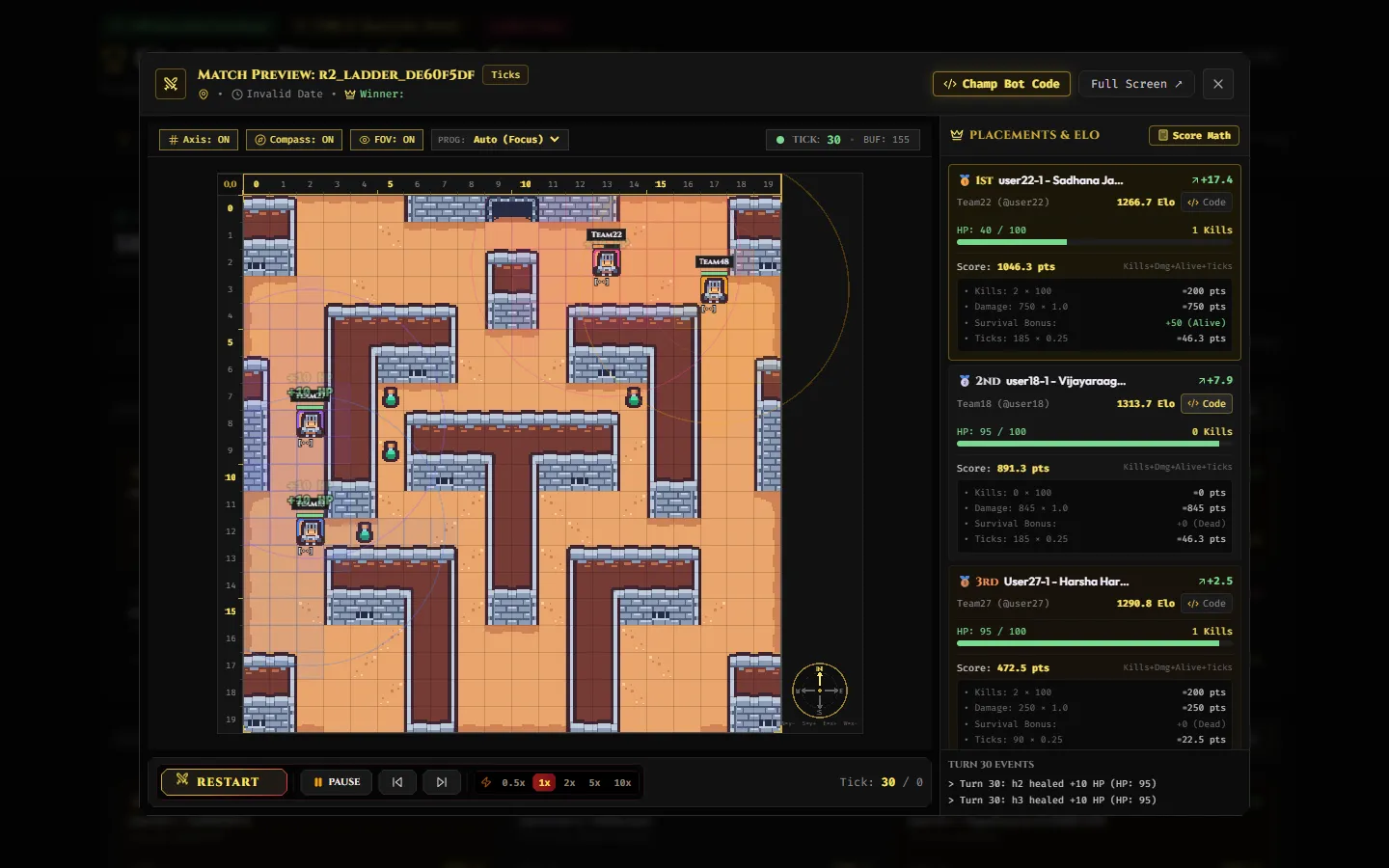
Why the Clash of Progs backend stalled on IEEE Day: a post-mortem
A full diagnosis of the 9 October 2026 outage at the Clash of Progs live event: hidden writes on read paths, a pinned SQLite WAL, six commits per match, CPU work on the event loop and a single process doing everything, plus the Postgres-and-queue architecture it should have had.
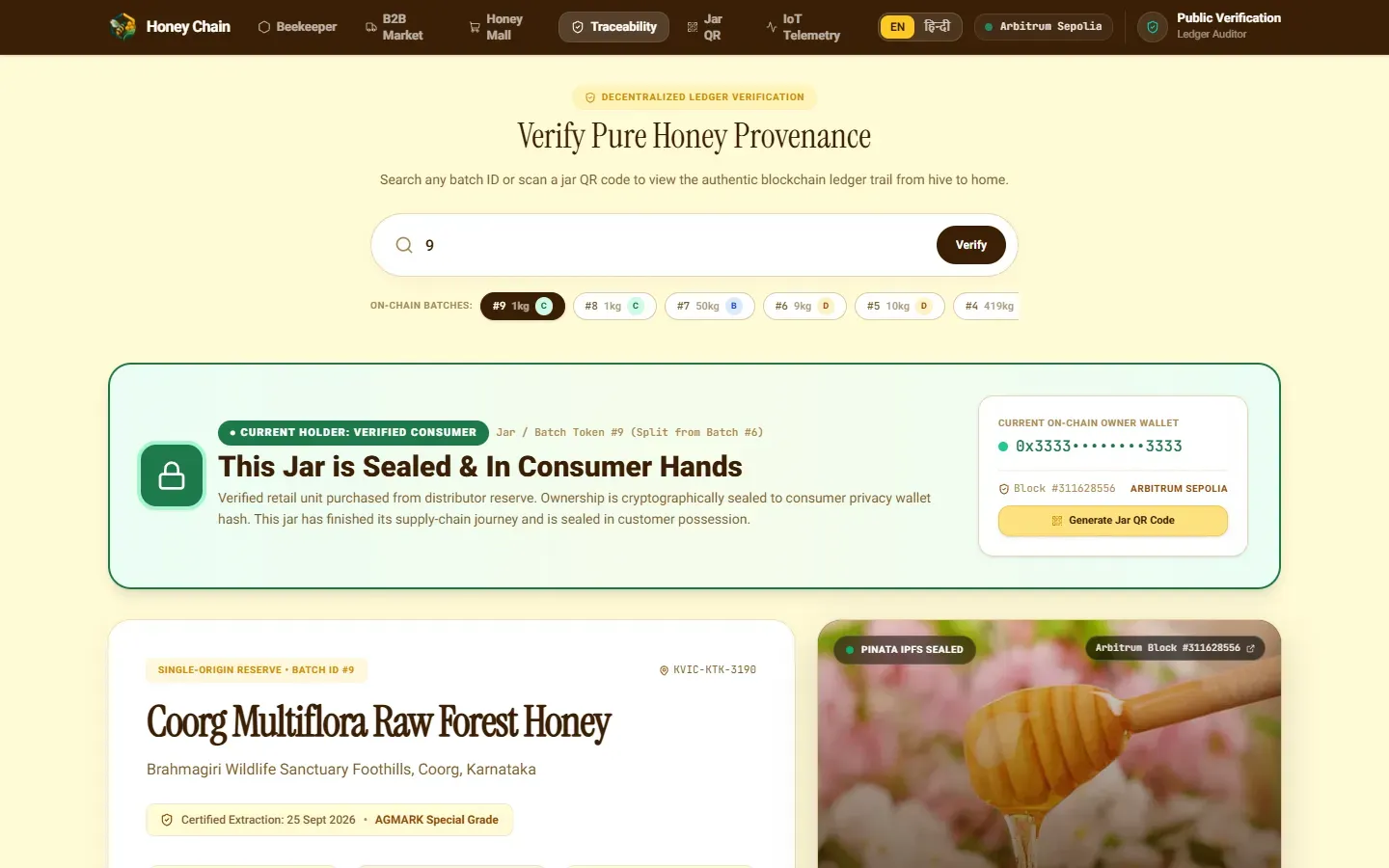
HoneyLedge: honey provenance on Arbitrum Sepolia with a hive-health dashboard
How HoneyLedge records honey batches in a Solidity contract, splits them into child batches that keep their lineage, settles Cashfree payments through a relayer, and raises hive alerts from a sensor simulator, plus the three-check QR gate and ESP32 sensors that are still only a proposal.
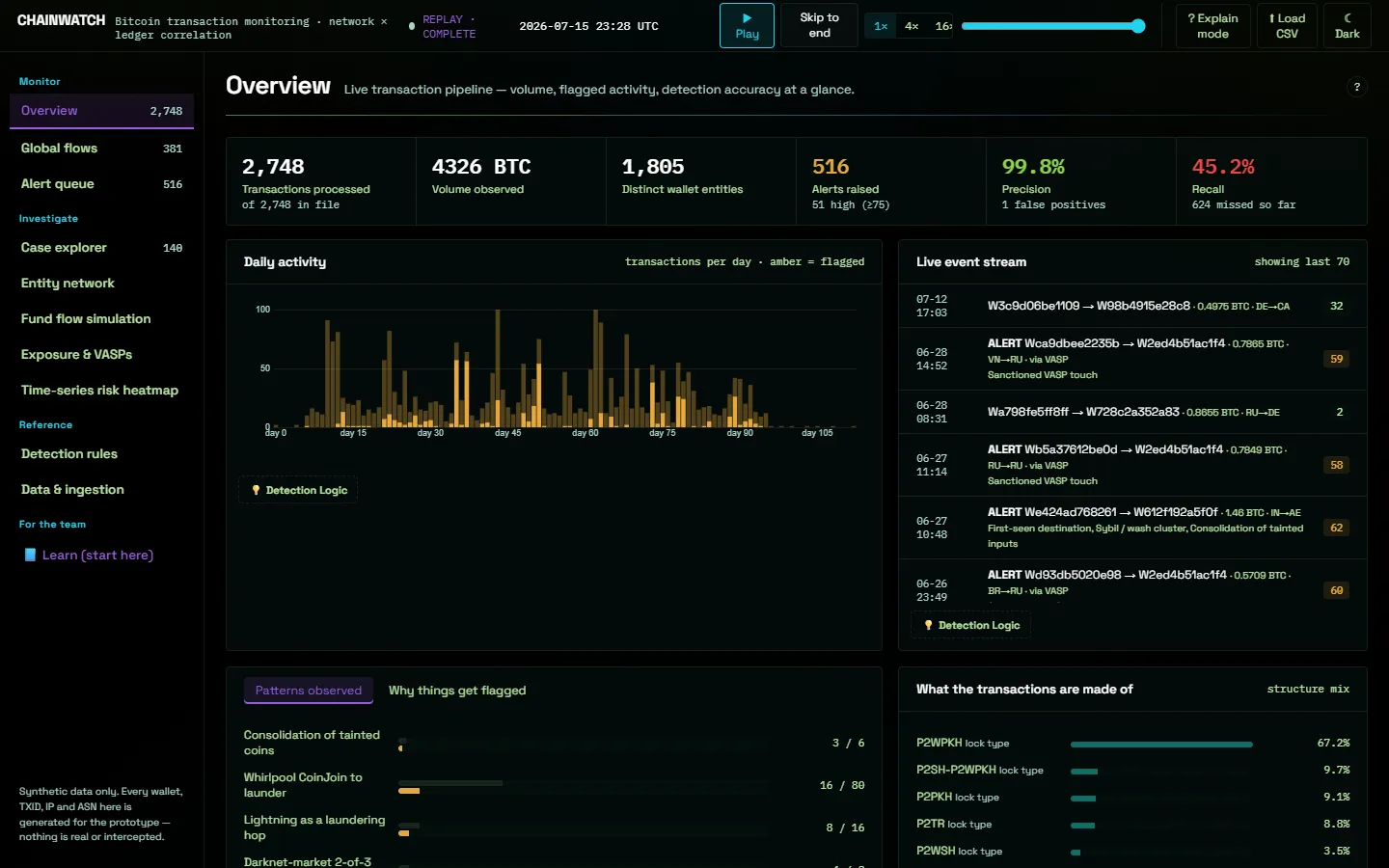
ChainWatch: offline, explainable anomaly detection on Bitcoin transaction traffic for SIH 2026
How team Hashcrofts built ChainWatch for the NTRO problem statement SIH26146, and what I built inside it: a causal feature pipeline, a calibrated XGBoost model with SHAP reasons, Safe-CIOH entity clustering, an alerts.jsonl pipeline, an offline wheelhouse installer and a Redis-backed telemetry map.
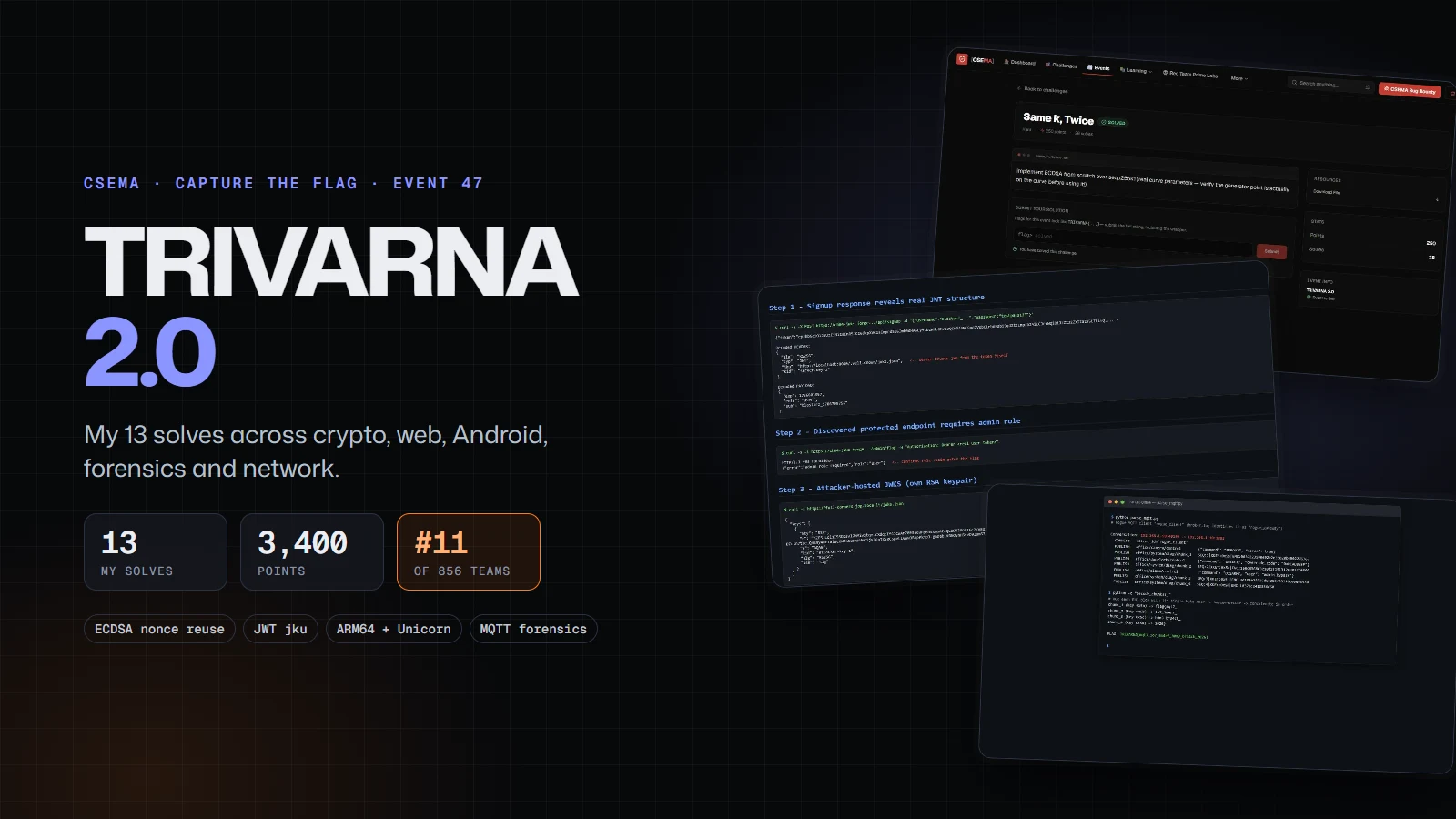
TRIVARNA 2.0: 13 challenges, 3,400 points, and the solves worth writing up
A write-up of TRIVARNA 2.0, a CSEMA capture-the-flag event: how I triaged across categories, then deep dives into an ECDSA nonce-reuse key recovery, an ARM64 native library emulated with Unicorn, a JWT jku header-injection bug, and an MQTT forensics chain.
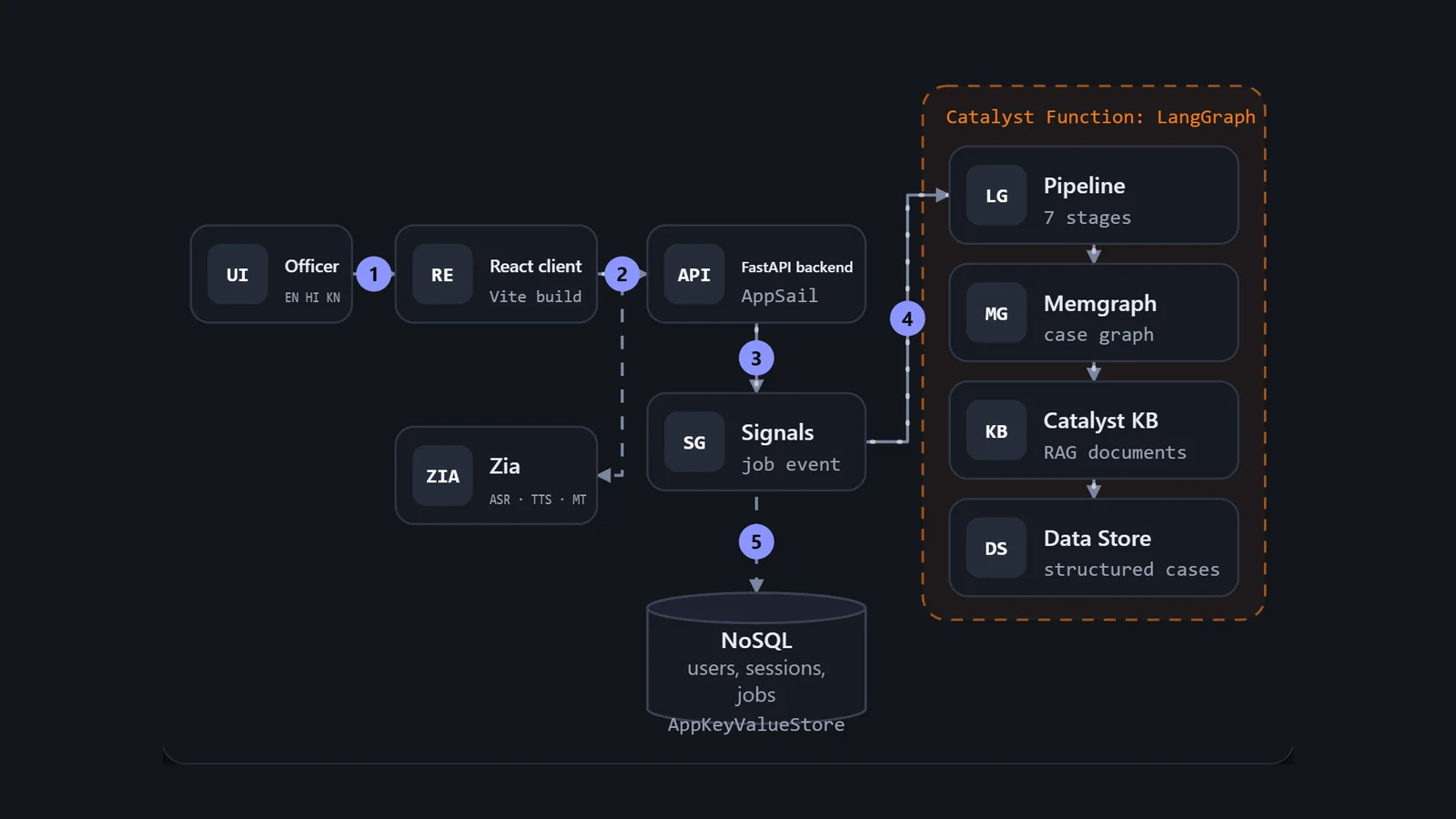
Hardening a conversational crime-intelligence assistant on Zoho Catalyst
How a shortlisted Zoho hackathon assistant for state police works: a LangGraph retrieval pipeline over graph, RAG and SQL, Zia voice in three languages, and the hardening I did: a CORS wildcard guard, locks around the indexes that lost writes, and a security pass on rank-based RBAC and expiring tokens.
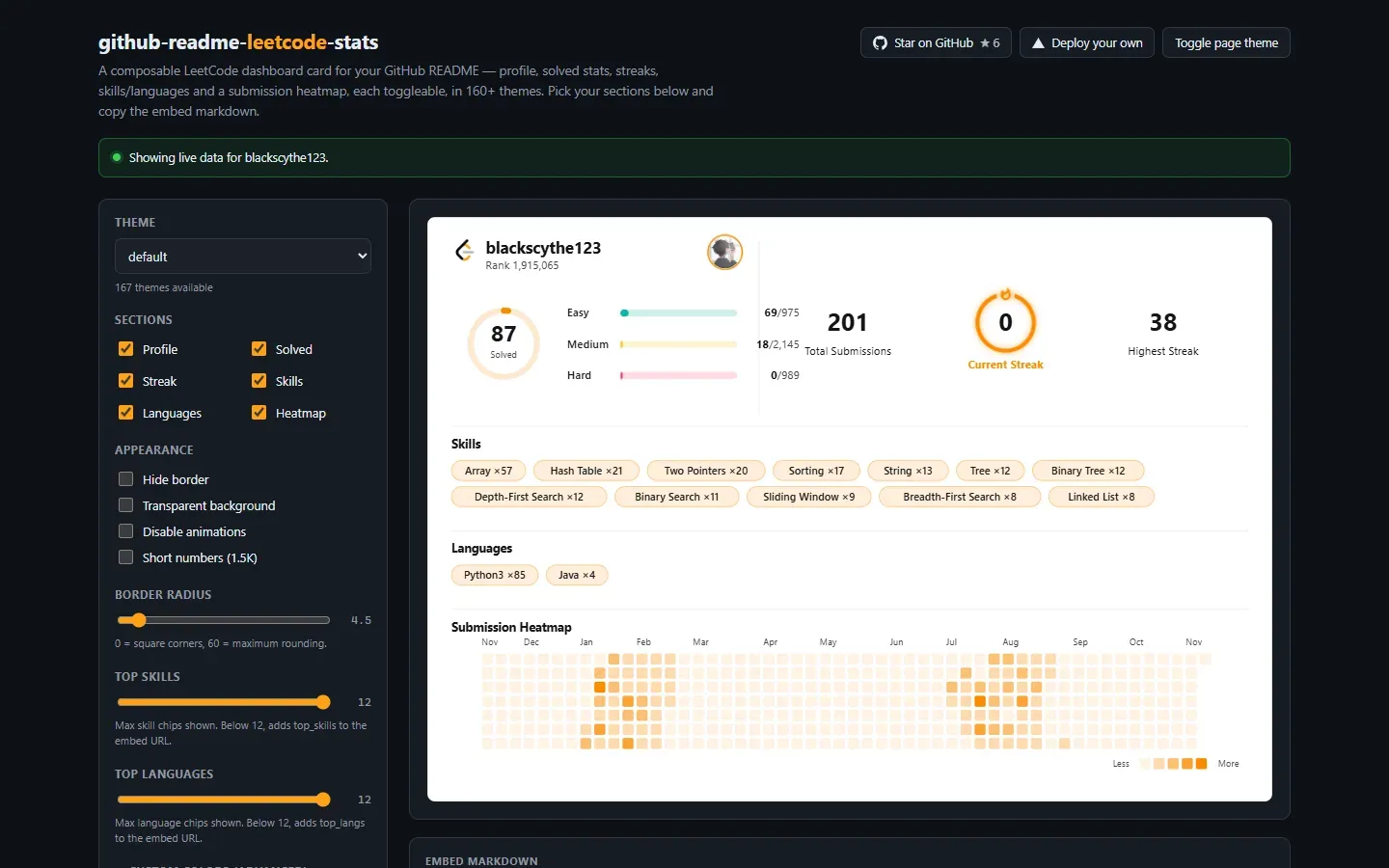
A LeetCode stats card that animates inside GitHub's image proxy
How a single serverless function turns LeetCode data into a composable SVG card with six sections and 167 themes: a layout engine without a solver, streaks from the full history, CSS-only animation that survives an img tag, a shared-clock colour cycle behind camo, and cache headers that never leave a broken image.

Voxa: one dictation pipeline, two clients, no backend
The full design of Voxa, the dictation tool I use daily: an Electron desktop app and a Kotlin Android keyboard that record speech, sign in to chatgpt.com like a browser, call its web transcription endpoint with my own session, and put the text into whatever field has focus. Covers the sign-in flow, the exact request, a focus-safe recording strip, two insertion mechanisms, durable audio and history, and the trade-offs stated plainly.
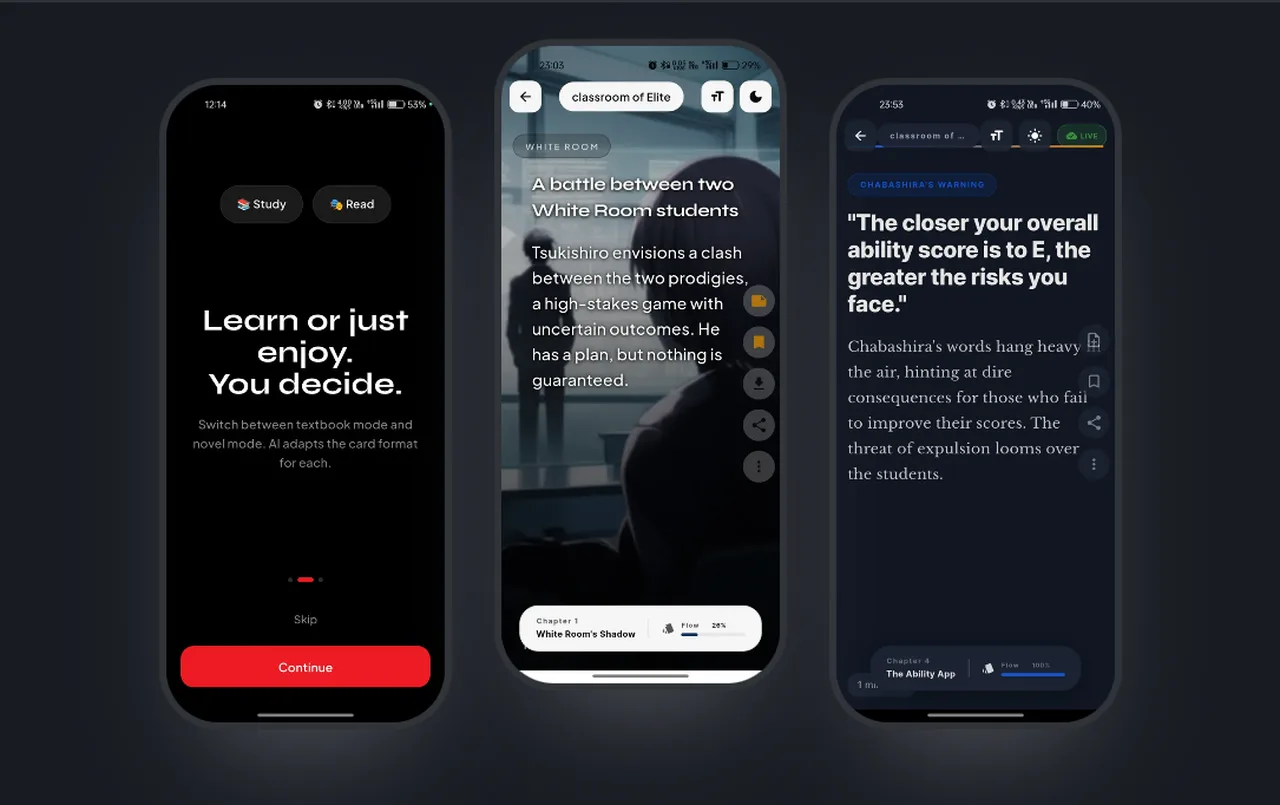
FlashBook: a serverless pipeline that turns PDFs into learning cards
How I built the AWS backend behind FlashBook, a Flutter app that turns PDFs into swipeable cards with Gemini: a default Cognito authorizer, presigned uploads, a hash-keyed summary cache, defensive output parsing and a client-side rate budget, plus what is still wrong with it.
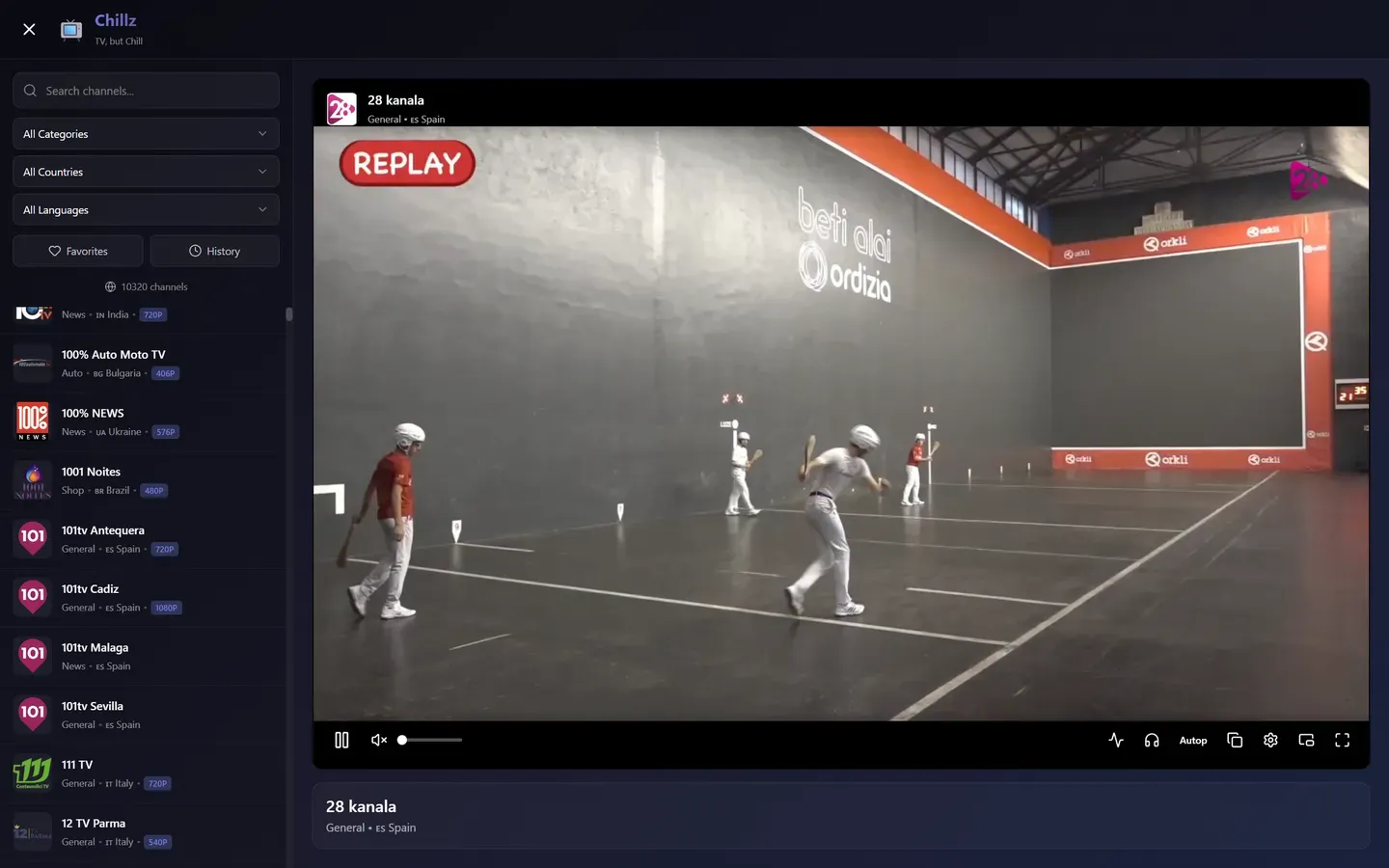
Chillz: playing 10,000 IPTV channels with React, Flutter and libVLC
How a public IPTV catalogue of 10,320 channels becomes a player on three platforms: a six-file merge with a one-hour cache, a virtualised list, HLS.js playback with its own failure vocabulary, and a Flutter desktop app that embeds libVLC behind a worker thread.
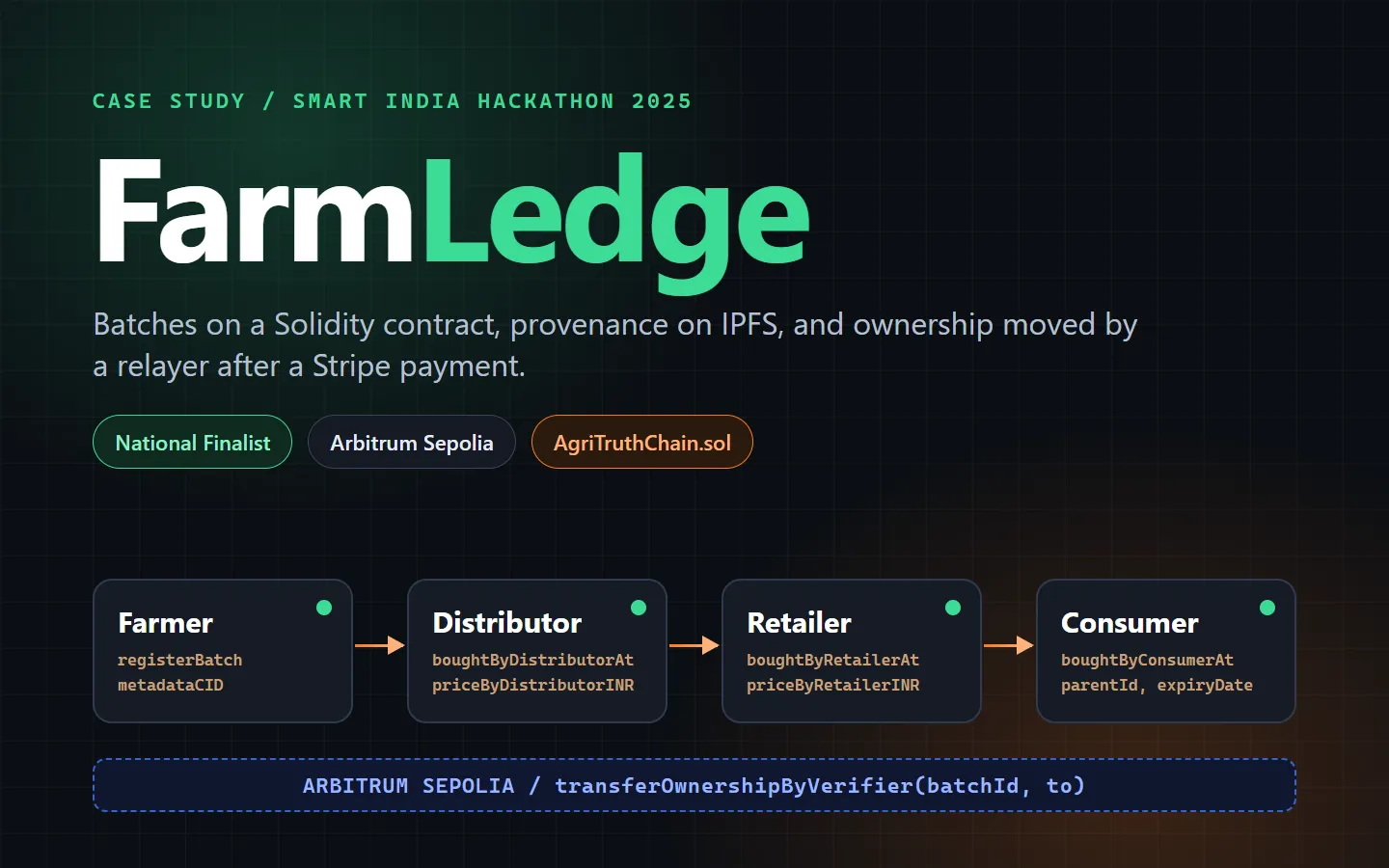
FarmLedge: farm-to-consumer traceability on a testnet
FarmLedge, a Smart India Hackathon 2025 national finalist: batches on an Arbitrum Sepolia contract, provenance on IPFS, a relayer that moves ownership after a Stripe payment, and an honest look at the webhook idempotency and access-control gaps.